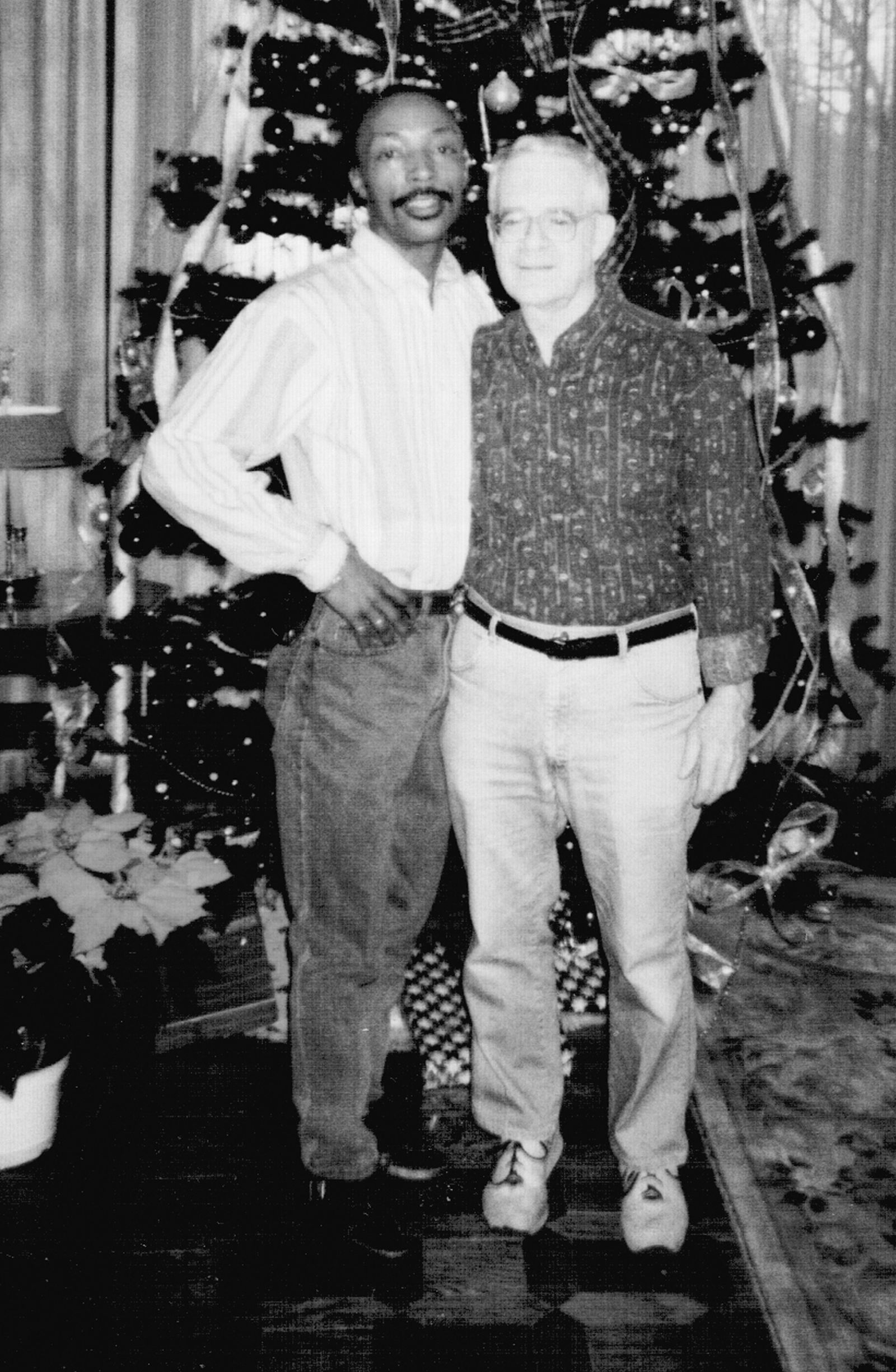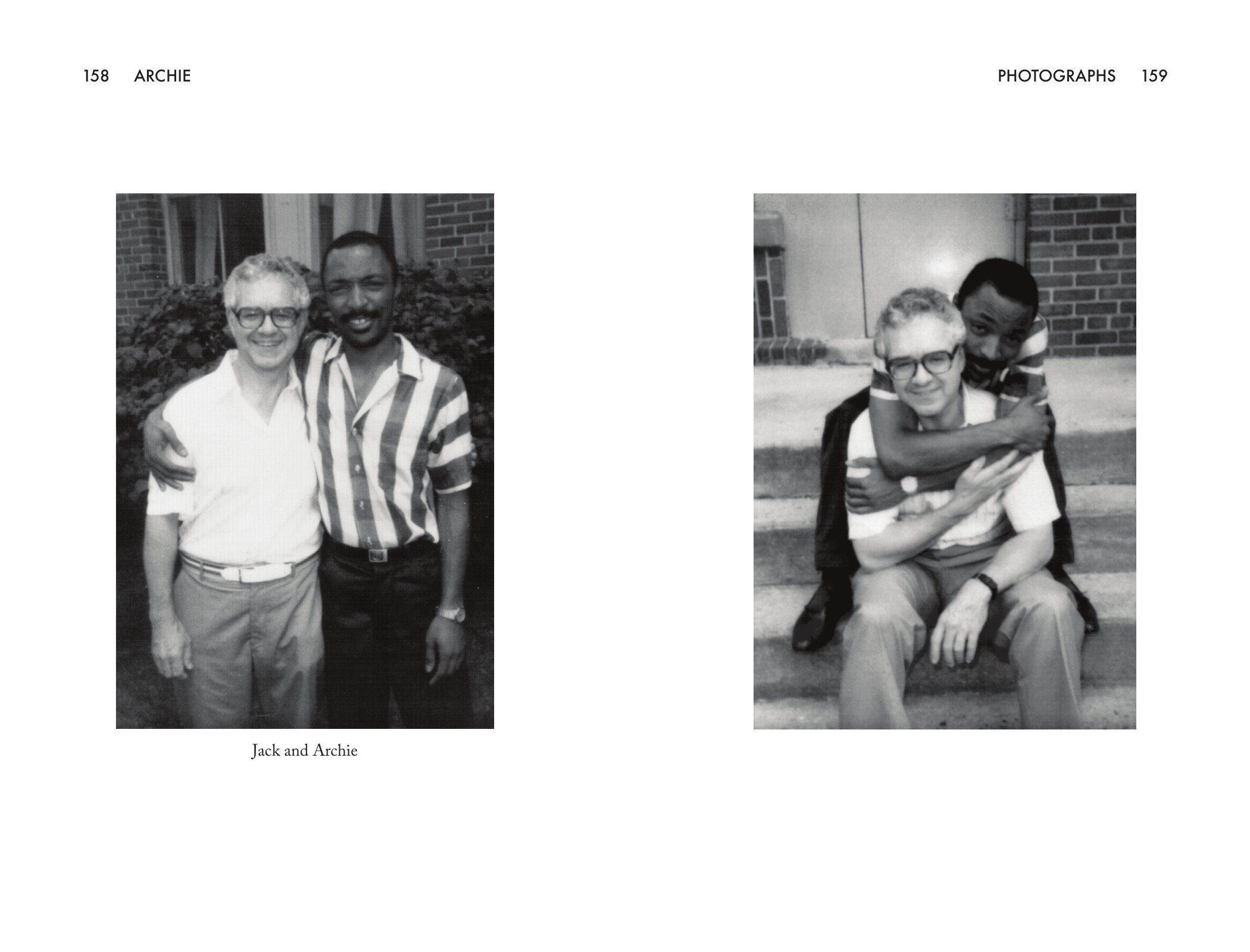
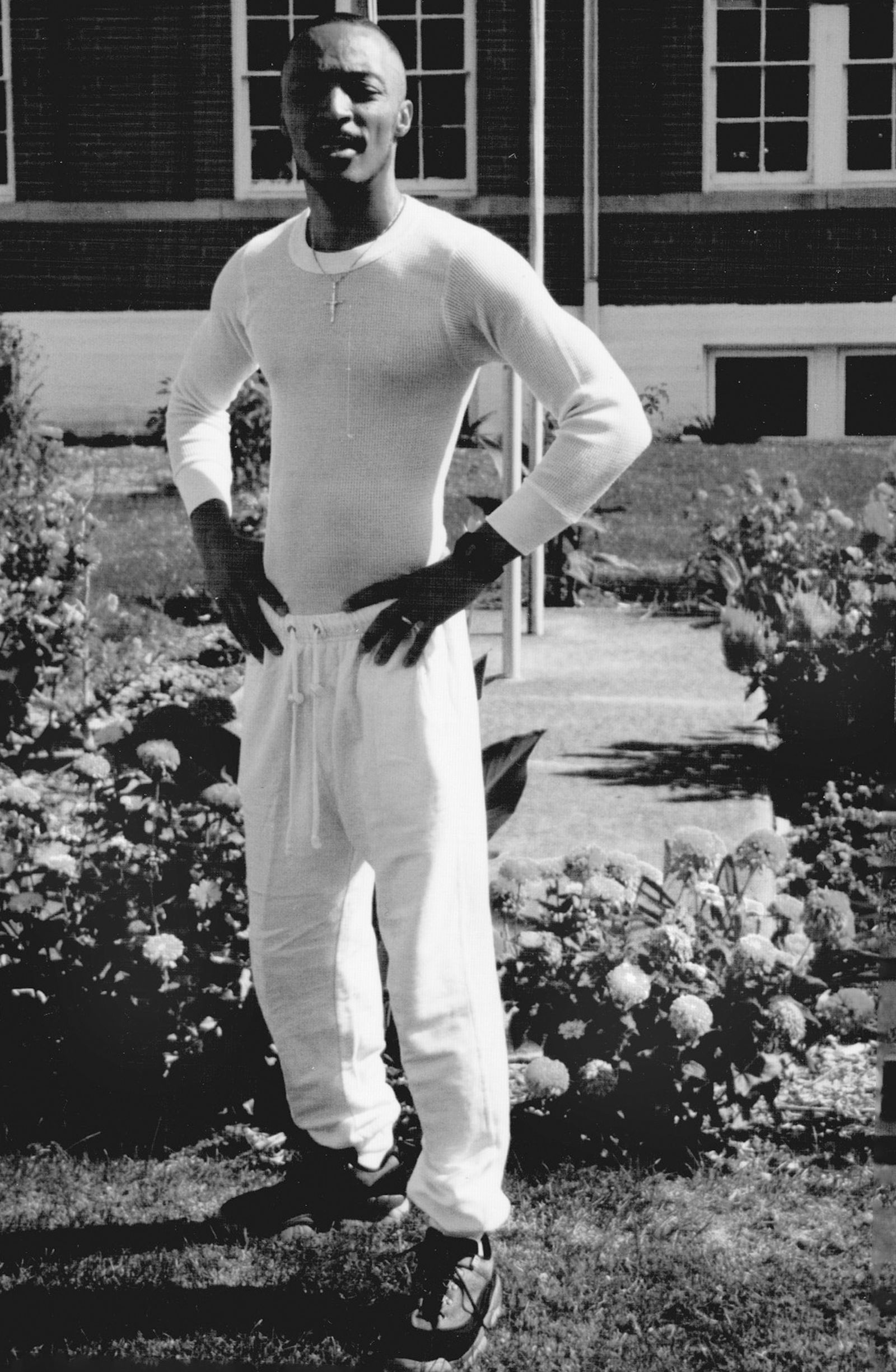
Archie Floyd was in and out of prison for most of his adult life. In 1986, from a cell outside Chillicothe, Ohio, he answered a personal ad in a newspaper he'd pulled out of the trash. The man who placed it was my grand uncle Jack, a former priest in Toledo. They stayed close for twenty years, until Archie died, and Jack encouraged him to write his life down. Archie did: about 45,000 words, written in prison, ten copies printed and bound, all of them lost.
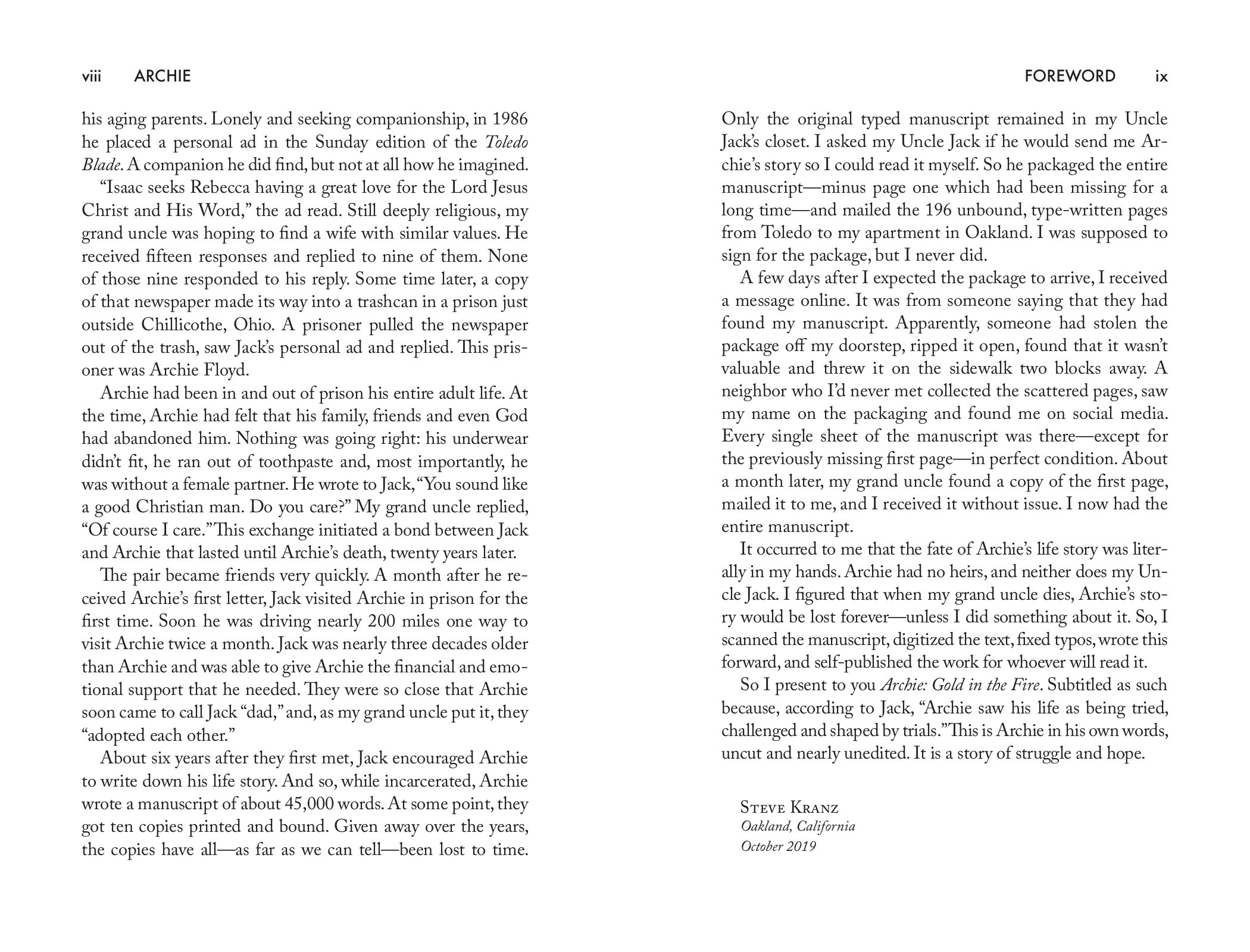
I asked Jack to mail me the original typed manuscript. Someone stole the package off my doorstep in Oakland, opened it, decided it was worthless and threw it on the sidewalk two blocks away. A neighbor I'd never met gathered up all 196 loose pages, found my name on the wrapping, and tracked me down online. Not one sheet was missing.
Archie had no heirs and neither does Jack. When Jack dies the story would have gone with him, so I scanned the manuscript, digitized the text, fixed the typos, wrote a foreword, designed the book and put it into print. It's Archie in his own words, nearly unedited. The subtitle is Jack's: Archie saw his life as "tried, challenged and shaped by trials."
In his rigorously honest memoir, Archie recounts his troubled childhood, sexual frustrations, addiction to crack cocaine, and the criminal consequences of repeated car theft. He also shares his experiences and critiques of the Ohio criminal justice system from the perspective of a Black man.
Design
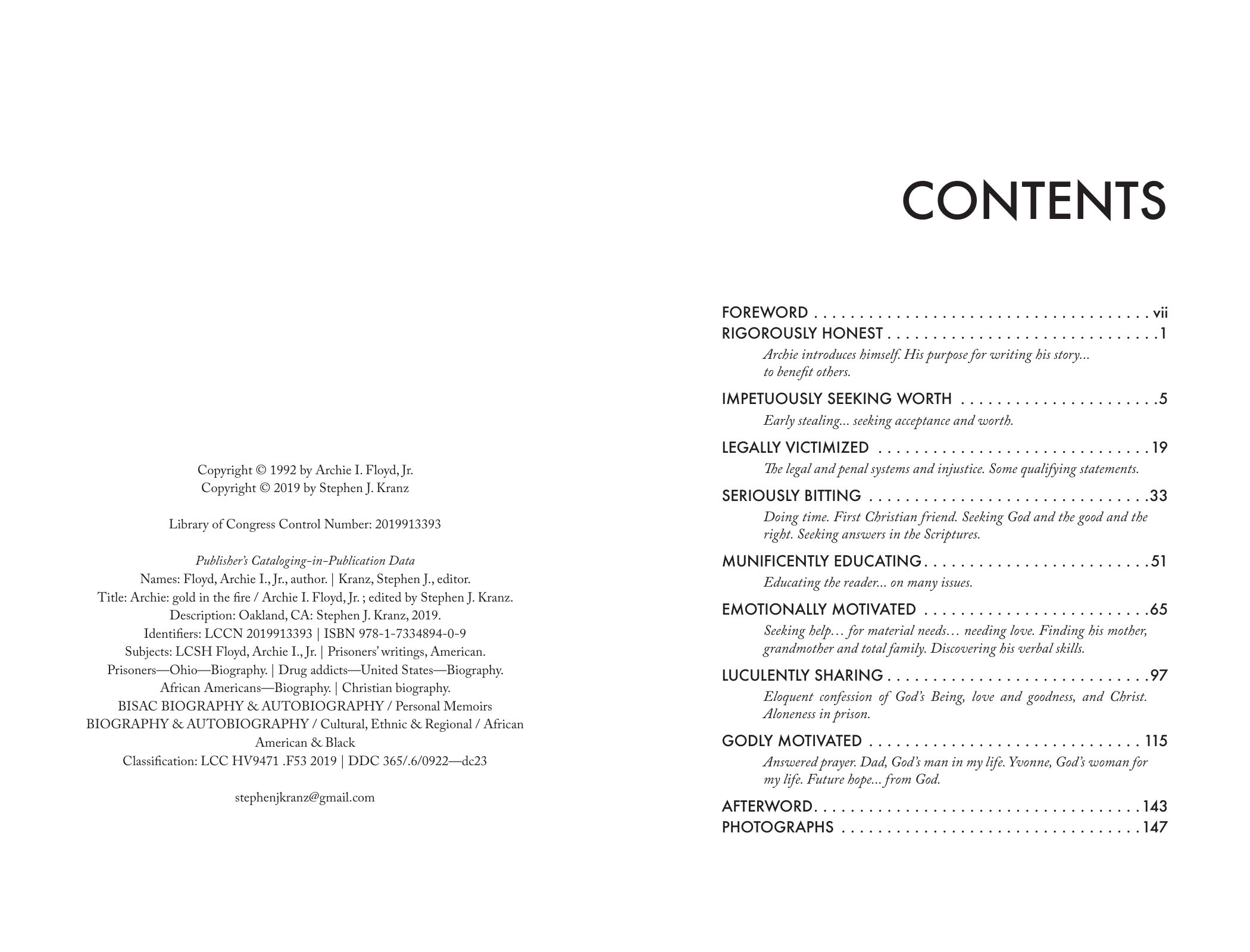
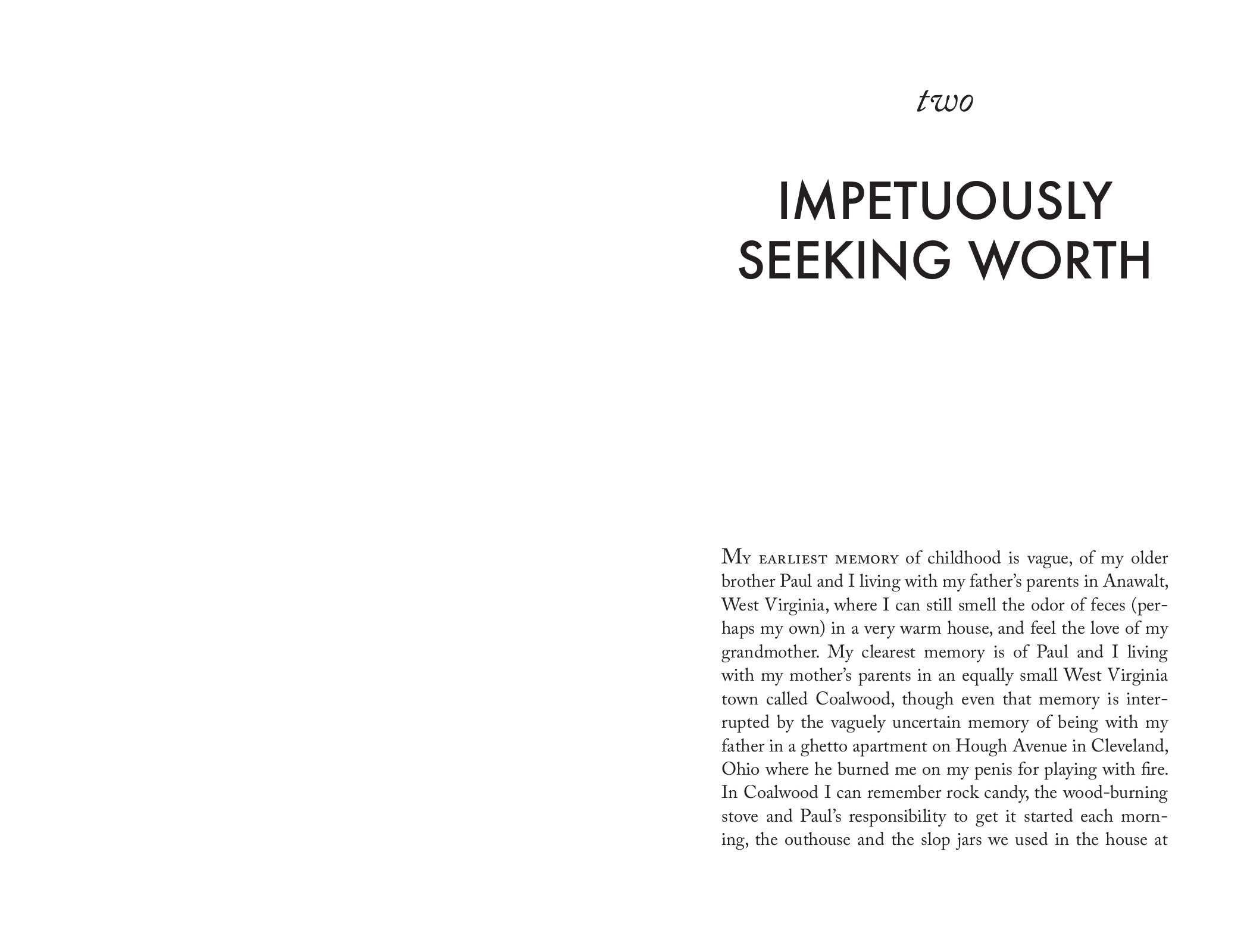
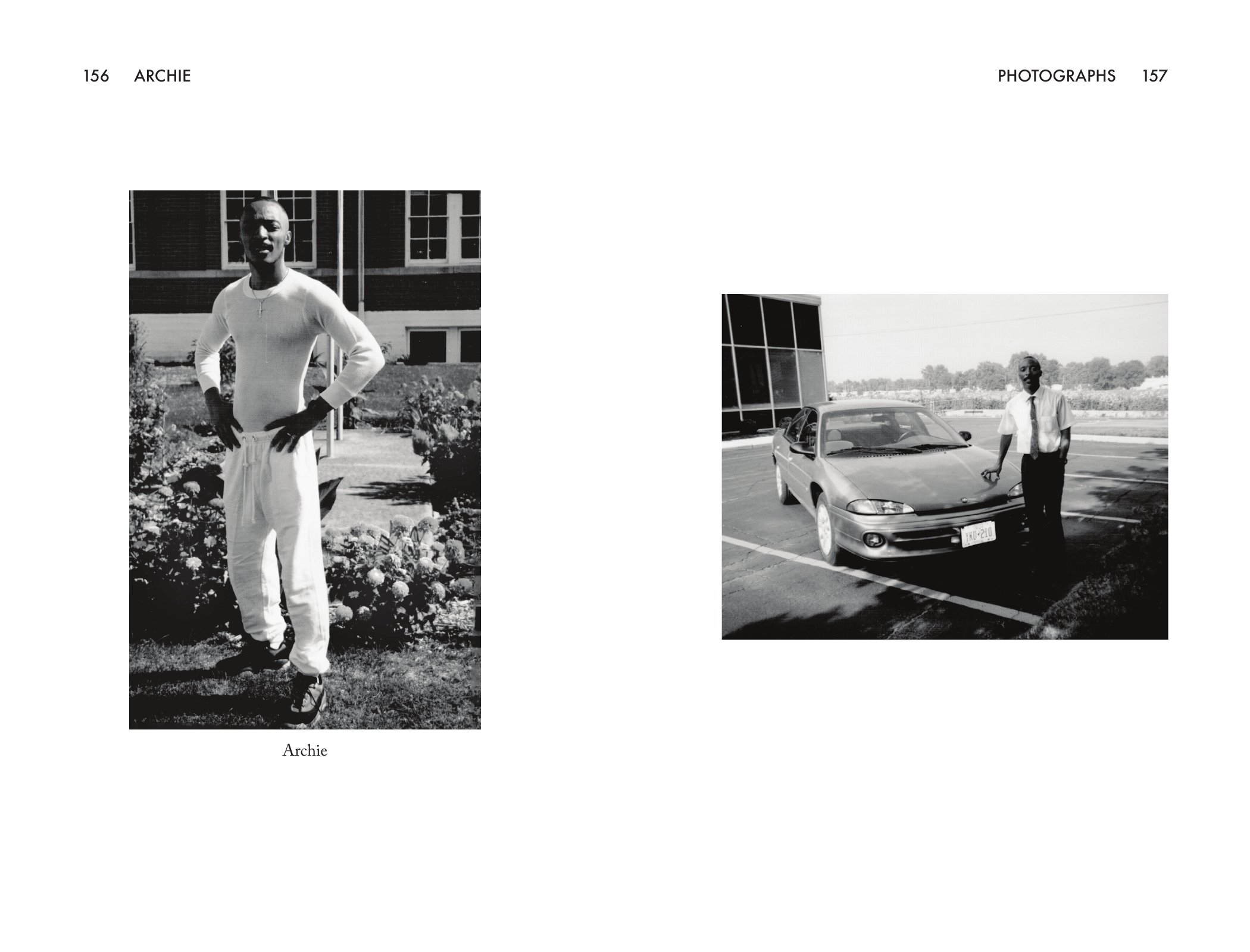
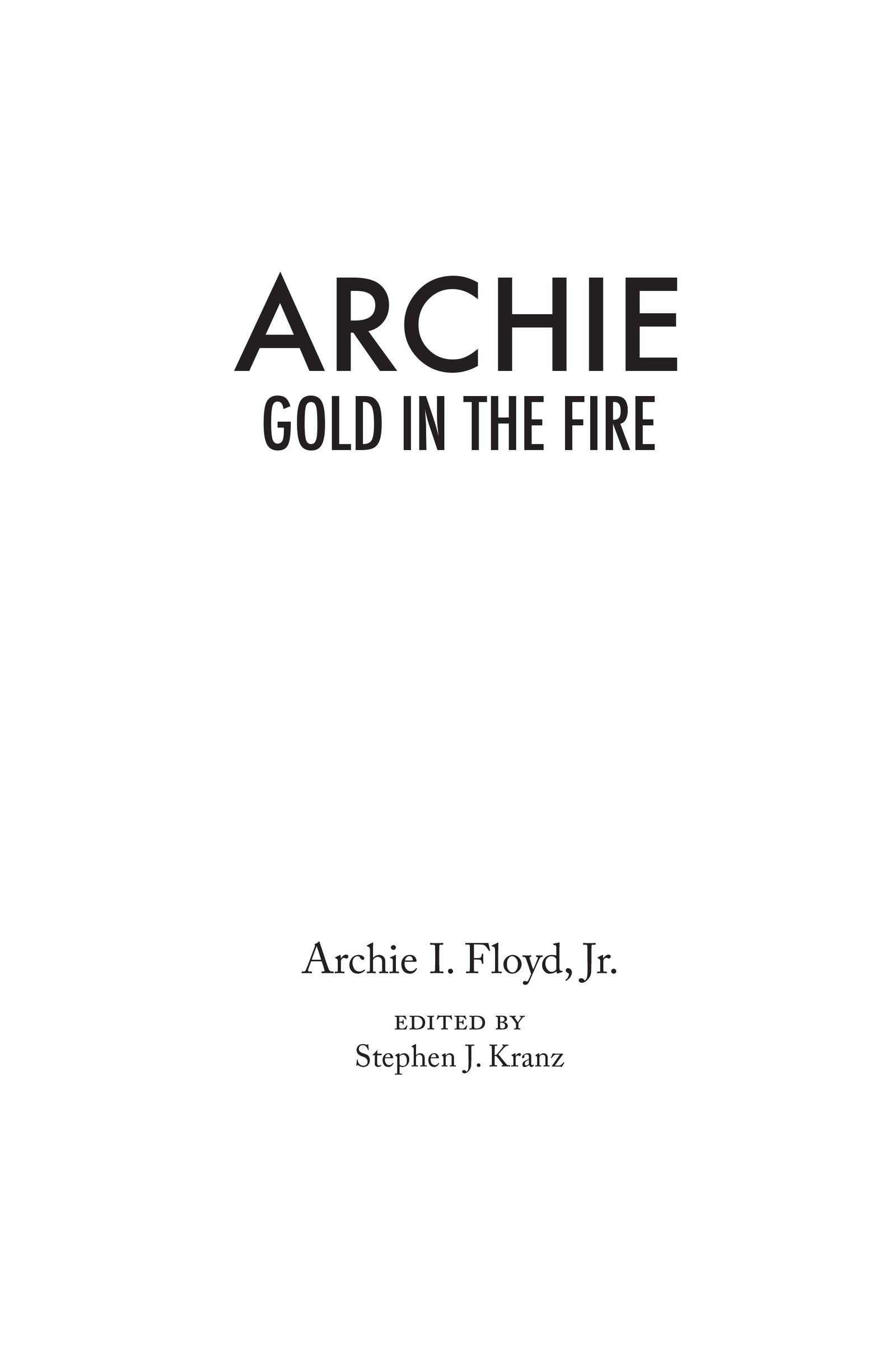
The material is heavy, so the design stays out of its way. Cover and chapter openers are set in a tall condensed sans with a lot of white around them; the running text is a book serif with generous margins. Every chapter title is an adverb and an adjective, and the contents page gives each one a line of summary. The photographs sit together at the back rather than interrupting the text.